Saturday, January 6, 2018

THE BEST LAP TOP TO BUY IN 2018

It's time for another look at the notebook market. The rollout of the 8th gen quad-core U series has been slowly happening, with more products available, and we've also had the announcement and release of the latest AMD 15-Watt U series processors as well. There's only a single laptop available with the AMD chip at the moment, but we expect more over the coming months. The excitement there will be improved GPU performance in a low TDP processor, where Intel has owned the market for the last several years, so hopefully we can see some more products shipping with AMD soon, so we can check them out in a high quality chassis.
Laptop Recommendations Q4 2017
SegmentModelStarting Price (As of writing)
Low Cost NotebooksChuwi LapBook 14.1$270 USD
Chuwi LapBook 12.3$330 USD
AMD 2-in-1HP ENVY x360 15$749 USD
Premium UltrabooksDell XPS 13$799 USD
Microsoft Surface Laptop$899 USD
eGFX SupportRazer Blade Stealth$1299 USD
ConvertiblesHP Spectre x360 15t$1899 USD
Microsoft Surface Pro$748 USD
Discrete GPU LaptopsDell XPS 15$1815 USD
Microsoft Surface Book 2$2499 USD
Apple MacBook Pro 15$2399 USD
As always, we’ll break the guide down into several segments to serve various markets, from low-cost, to mid-range, to high end.

Low-Cost Notebooks

First up is the entry-level devices, and although they may cost less than the rest, that doesn’t necessarily mean they will be short of features.

Chuwi LapBook 14.1
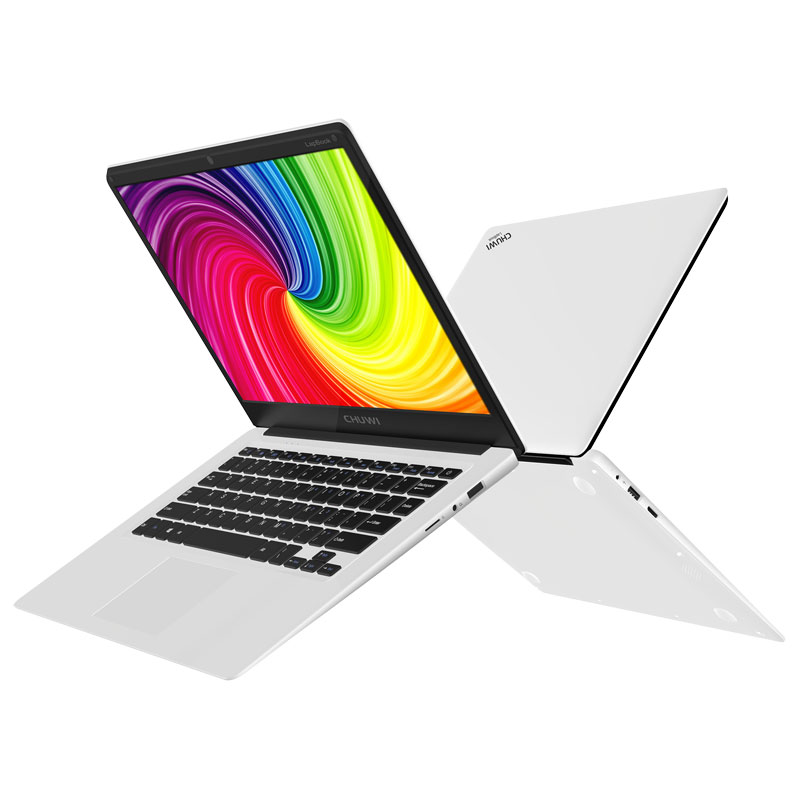
If you’re after a mid-size notebook at an affordable price, it’s hard to go wrong with the Chuwi LapBook 14.1. It offers a 1920x1080 IPS display, which is somewhat of a rare find in this segment of 1366x768 TN laptops. It’s based on Intel’s Apollo Lake Celeron N3450, which is four Atom Goldmont cores that can go up to 2.2 GHz. 4 GB of Dual-Channel RAM coupled with 64 GB of eMMC storage make this a surprisingly capable notebook for the price, and although it’s plastic, the material has a great texture to it. This is one of my favorite notebooks of 2017 so far, and it sells for $270 USD.
Buy Chuwi LapBook 14.1 on Amazon.com

Chuwi LapBook 12.3
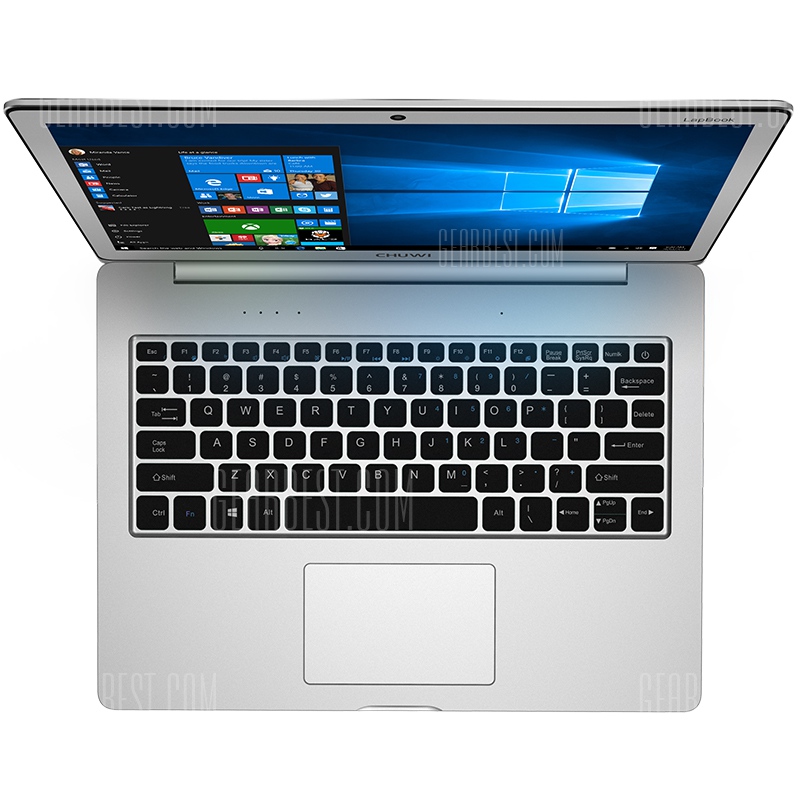
Another Chuwi may seem like favoritism, but this company has been releasing some very interesting PCs for price-sensitive buyers, and the LapBook 12.3 continues the trend of the 14.1 by offering a lot of bang for the buck. Obviously, the name gives away the hint that this is a smaller notebook, but the 12.3-inch display is actually the same 3:2 2736x1824 panel found in the Microsoft Surface Pro, so it offers an impressive 267 pixels-per-inch in this laptop chassis. Like the LapBook 14.1, it’s also powered by a quad-core Celeron N3450 with Intel Atom Goldmont CPU cores, but the LapBook 12.3 bumps the memory from 4 GB to 6GB, while keeping the same 64 GB of eMMC storage. It’s relatively light at 1.45 kg / 3.18 lbs, but heavier than a more expensive Ultrabook would be. We just had a chance to review this device, and it was seriously impressive for the cost. Plus, you can add a M.2 2242 SATA SSD if you want to bump the storage. It's a price bump over the 14.1, but the move to an all-aluminum body makes it feel a lot more premium than the $330 price would suggest.
Buy Chuwi LapBook 12.3 on Amazon.com

AMD 2-in-1

It's been a long time since we could recommend an AMD laptop. Prior to Ryzen Mobile, the AMD APUs were generally found in ultra-budget chassis from only a handful of OEMs. Ryzen has been a great launch for AMD though, and the Ryzen Mobile APUs now come with Vega graphics, which should be a solid combo.

HP ENVY x360 15
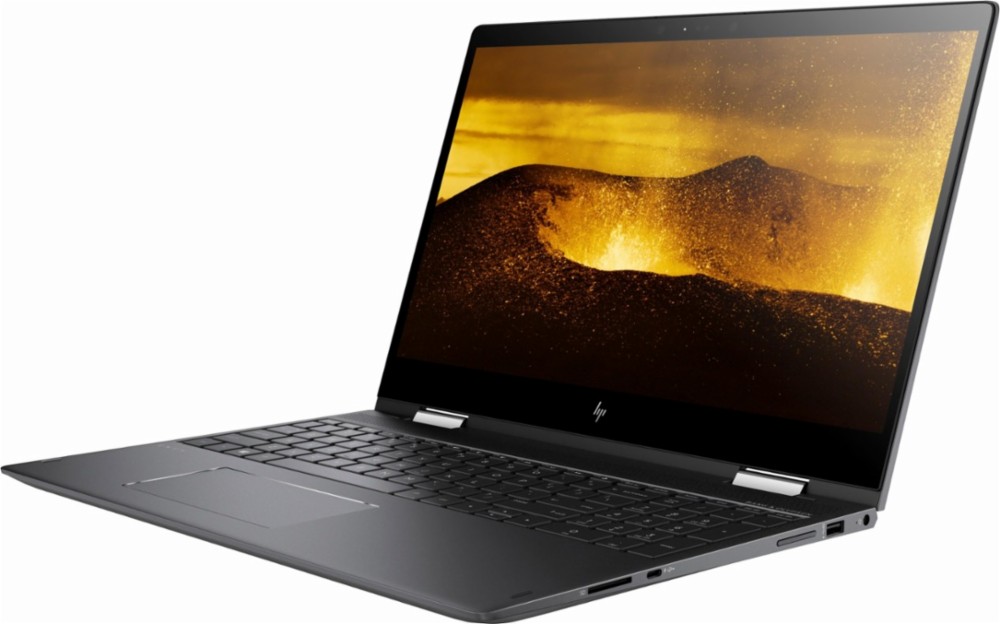
For a 2-in-1, a 15.6" model is a bit large, but if you're after the Ryzen Mobile APU, this is your pick for right now. However this isn't the ultra-budget AMD based laptop of yesterday. It features the AMD Ryzen 5 2500U CPU, which has Vega 8 graphics, and up to 16 GB of dual-channel DDR4 RAM. Although the base models come outfitted with HDD configurations, the laptop can be configured with SSD storage as well. The 15.6-inch display is a 1920x1080 IPS panel, with touch, of course, and pen support. The ENVY line isn't quite as premium as HP's Spectre family, but it's still a nice notebook, and the prices start well below the Spectre. In this case, the price starts at $749 at Best Buy right now.
Buy HP ENVY x360 Ryzen on BestBuy.com

Premium Ultrabooks

Dell XPS 13
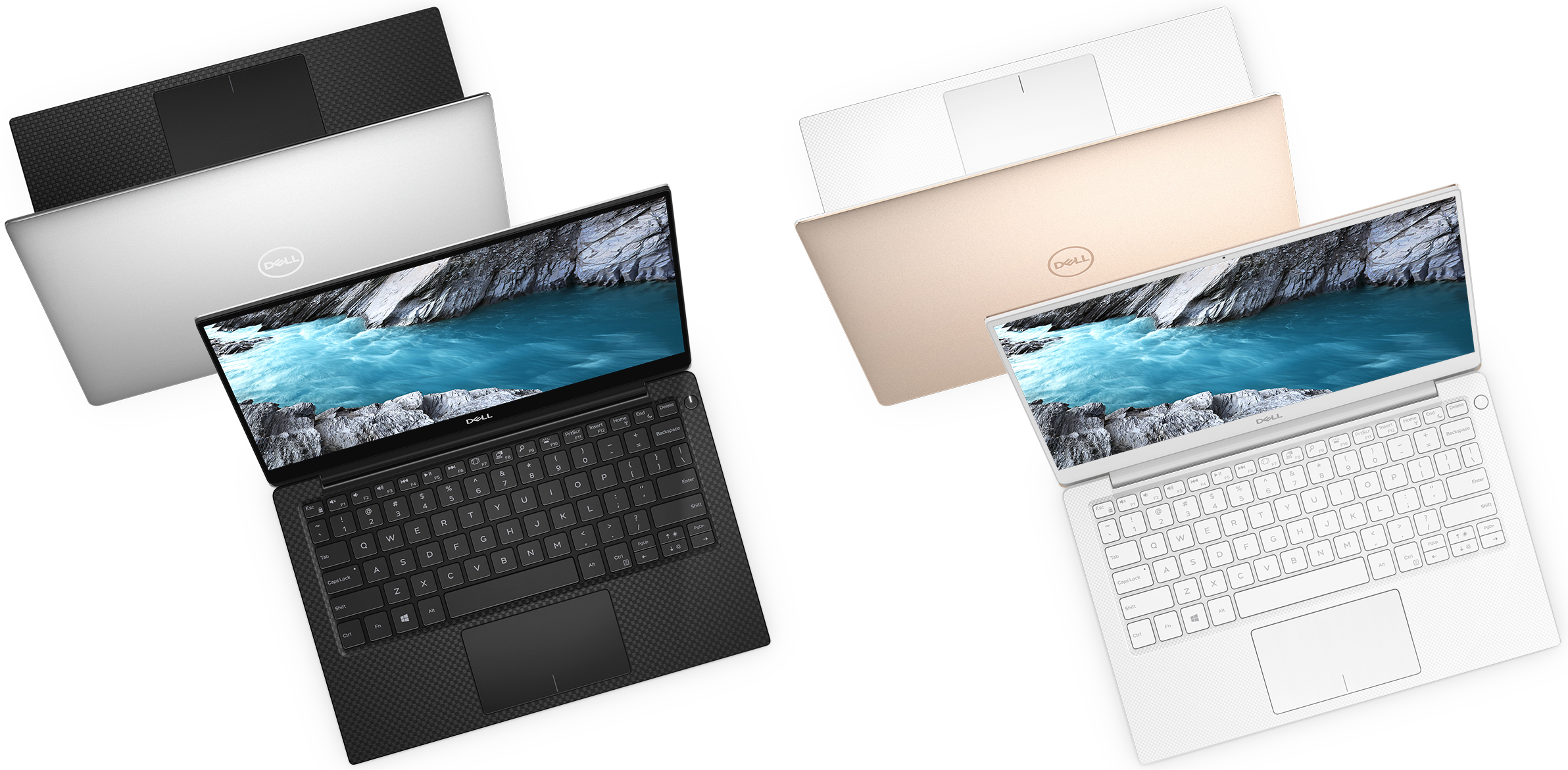
Dell’s XPS 13 has aged well, and it still offers one of the slimmest bezels on any notebook. Dell was one of the first to announce support for the 8th Gen quad-core, and it's available now, but the Kaby Lake models are still around as well, so if you're after an i7, pay attention to what you're getting. The base model still comes with just 4 GB of RAM, so the jump to the 8 GB / 256 GB model is likely the best target for entry if looking at the XPS 13. The highest end models come with a beautiful 3200x1800 QHD+ display, compared to the 1920x1080 panel on the base model, but the lower resolution is easier on the battery. The webcam is still in an awkward location on the bottom bezel of this notebook, thanks to the thin top bezel, so if you’re a heavy webcam user this may be enough to dissuade you from considering this otherwise excellent laptop.
Buy the XPS 13 on Dell.com

Microsoft Surface Laptop
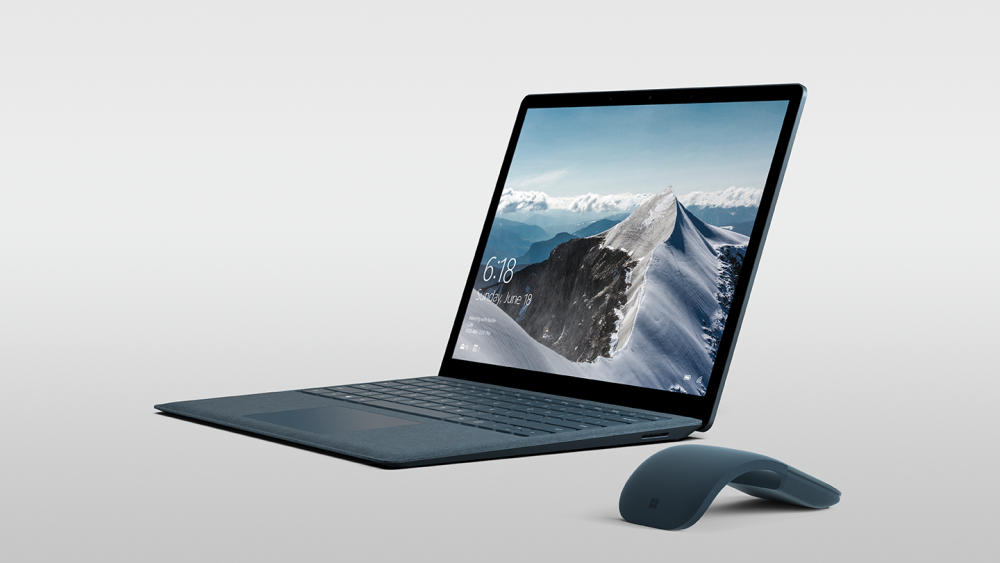
Microsoft’s Surface brand has some significant advantages over much of the competition, including individually calibrated 3:2 displays, which make them much better for content creation. The Surface Laptop also has an Alcantara keyboard cover, which should offer an interesting feel to the typing experience. There is a Core i5-7200U model, or you can opt for the Core i7-7660U with Intel Iris Plus Graphics 640 with 64 MB of eDRAM and 48 Execution Units on the GPU, up from the standard 24 Execution Units of the generic U series. The display is the same size as the Surface Book, at 13.5-inches, but the resolution drops a bit to 2256x1504, compared to the 3000x2000 of the Surface Book. The lower resolution is likely partially to keep costs down, and also to keep battery life in check. The Surface Laptop weighs in at 1.25 kg / 2.76 lbs, and will be the first laptop shipping with Windows 10 S. This will be a more restrictive version of Windows 10, only allowing Windows Store apps to be installed, but Surface Laptop buyers will be able to unlock Windows 10 Pro for free for the first year. The Surface Laptop will be available in four colors, starting at $999 for the Core i5/4GB/128GB model, and up to $2199 for the Core i7/16GB/512GB version. We've not had a chance for a full review of the Surface Laptop yet, but we have had a chance to try it out. The attention to detail is high, which is the case with most Surface devices, and it's hard not to love the 3:2 display.
Buy Microsoft Surface Laptop on Amazon.com

eGFX Support

Razer Blade Stealth

Razer has updated the Stealth, and the updates are significant. The Stealth was always a great looking Ultrabook, that suffered from large display bezel syndrome. Razer has addressed this with a new 13.3-inch model, in the same chassis as the original 12.5-inch laptop. The new display is a QHD+ (3200x1800) sRGB panel.They still offer a UHD model (3840x2160) with AdobeRGB gamut support, in the original12.5-inch display. The 12.5" UHD is a bit overkill on resolution though, so the 13.3 is likely the nicest pick of the bunch. Either model comes with a Core i7-7500U, or a Core i7-8500U, 16GB of RAM, and up to 1TB of NVMe SSD. Razer still brings its gaming roots to the table too, with an individually lit RGB keyboard, offering almost limitless combinations of color, and external graphics support, in case you want to dock this using the Thunderbolt 3 port and add a desktop graphics card. It’s a very nice, light laptop, with the Razer traditional CNC aluminum chassis, which can now be found in Gunmetal Gray, along with the traditional Black. Razer has shuffled this product around a bit though, and a laptop that they originally targetted at the $1000 price range is right now only available for $1299 and up.
Buy the Razer Blade Stealth on Razerzone.com

Convertibles

HP Spectre x360 15t

HP's Spectre lineup is their premium range, and the x360 15t is a stunning laptop. The laptop has been recently updated with the 8th gen Core i7-8550U option, as well as an NVIDIA GeForce MX150 GPU, which is going to be a nice step up in performance over the Intel HD 620 built into the CPU. The 15.6-inch display is a 3840x2160 resolution panel, and the laptop comes with a 79.2 Wh battery, so despite the high resolution, battery life is rated for 12.75 hours from HP. You can get up to 1 TB of NVMe SSD as well, and the laptop is equipped with Thunderbolt 3 for high-speed I/O. At 4.42 lbs, it's fairly light for a large notebook as well. HP's launched some great looking devices over the last year or two, and it's definitely one to look for. They also offer a 13.3-inch model of this, if you want something a bit smaller.
Buy HP Spectre x360 15t on Amazon.com

Microsoft Surface Pro (2017)
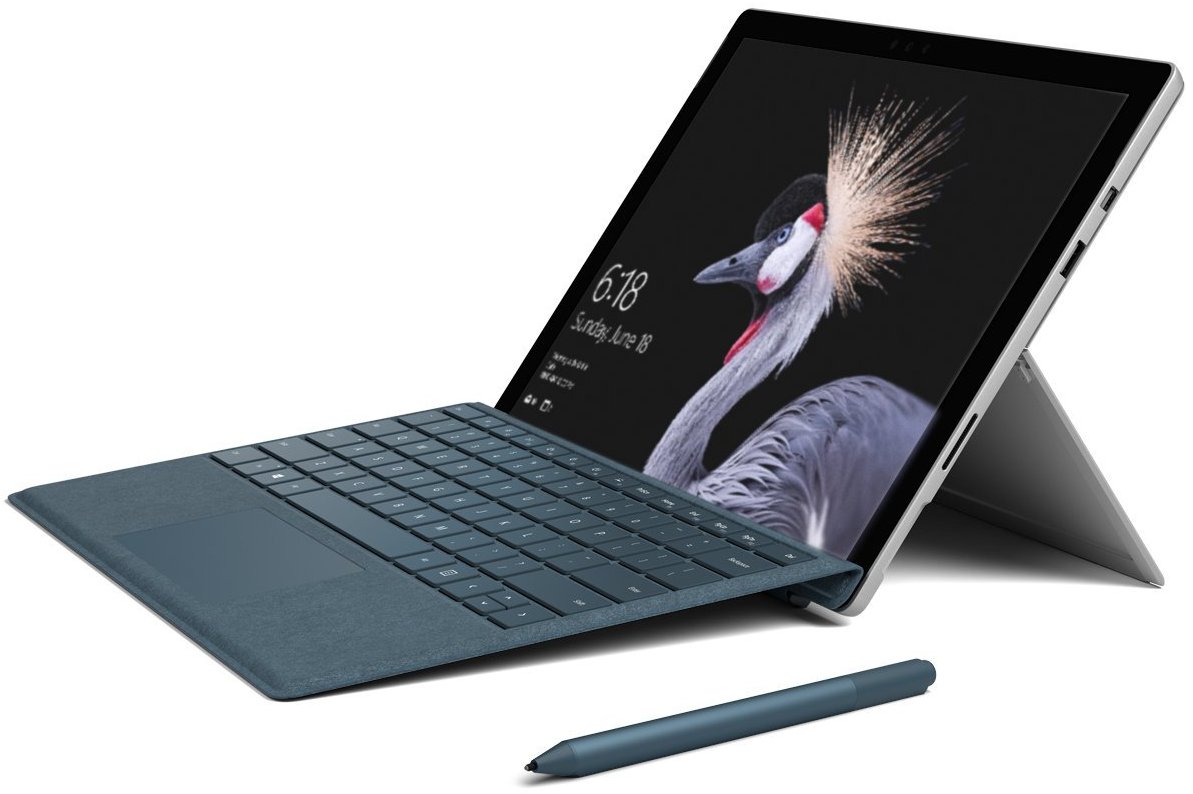
The Surface Pro has come a long way since the original version launched, and the latest generation is a refinement of the already excellent Surface Pro 4. The biggest changes inside are that it's now powered by Kaby Lake processors, but even more interestingly, the Core i5 model has gone completely fanless. We got a chance to review the Core i7-7660U model with Iris Graphics, and it was simply fantastic. The performance was excellent, while at the same time, the sound levels had decreased, and battery life had increased. Microsoft has softened the edges of the convertible laptop, to great effect. The move ot Kaby Lake has also solved the power management issues that plagued the Surface Pro 4, especially at the start of its life. The high end models can get expensive, and the keyboard and pen are both add-on options, but the 3:2 display and attention to detail put the Surface Pro over most of, if not all, of its competition. Microsoft hasn't yet updated to the quad-core KBL-R yet, but the Surface Pro is still the 2-in-1 that defines this category.
Buy Microsoft Surface Pro on Amazon.com

Discrete GPU Laptops

Sometimes you just need more performance, and the integrated GPU isn't going to cut it. If you're into gaming, some of the more gaming focused devices are likely a better bet, so check out our gaming laptop guide for those, but if you need a strong laptop to get work done, these laptops fit the bill.

Dell XPS 15
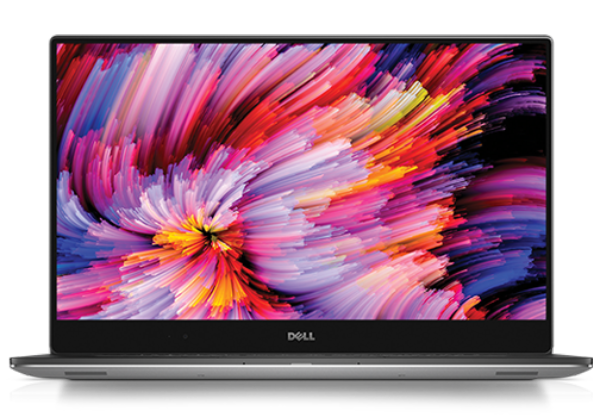
Dell took the winning formula with the XPS 13 and applied it to their larger XPS 15, and the result is a great looking laptop, which has a 15.6-inch display in a smaller than normal chassis. The latest XPS 15 9560 offers quad-core Kaby Lake CPUs, along with the latest NVIDIA GTX 1050 graphics, which is a big jump in performance over what’s available in any Ultrabook. You can get a UHD display with 100% of the Adobe RGB gamut as well, although the battery life takes a big hit with that many pixels, so the base 1920x1080 offering may be better suited to those that need a bit more time away from the power outlet. The keyboard and trackpad are both excellent, just like the XPS 13, and it features the same styling cues. The XPS 15 starts at $999. We got a chance to review the latest XPS 15, and it doesn't disappoint.
Buy Dell XPS 15 9560 on Amazon.com

Microsoft Surface Book 2
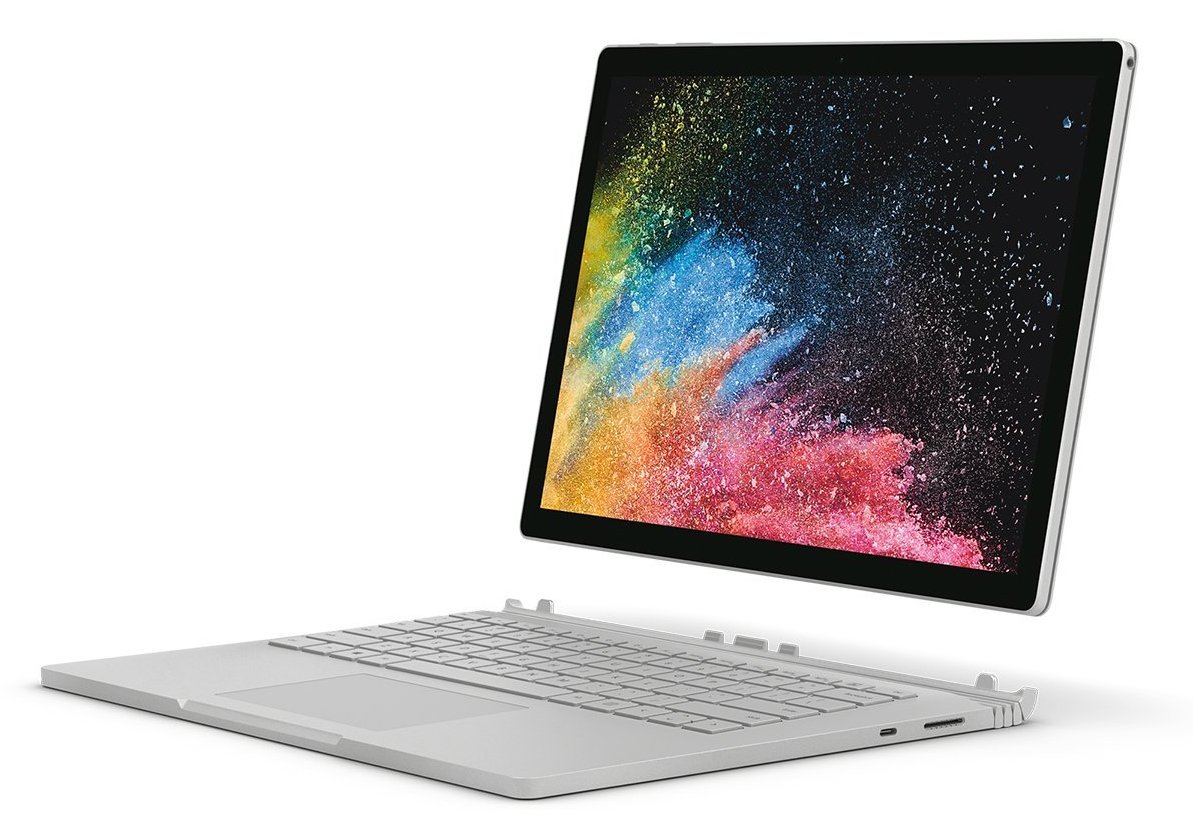
Although we haven't yet finsihed the review on this device, we do have it, and it improves significantly over the original in several areas. One such area is that it's improved greatly is the GPU, which was a GeForce 940MX on the original Surface Book, which was later bumped to a GeForce 965M on the Performance Base model. With the Surface Book 2, Microsoft has moved to Pascal based graphics, which are going to offer a significant bump in performance, and they've also created a larger 15-inch version of the Surface Book 2, which offers an even faster GPU. The base Surface Book 2 can still be had with just integrated graphics, but the 13-inch version now comes with an optional GeForce 1050 GPU, and the 15-inch model has the GeForce 1060 GPU. The latter is especially impressive, since it's something you'd normally see in a gaming notebook. The Surface Book 2 can be had with the Core i7-8650U quad-core CPU as well, and the 3:2 aspect ratio and high resolution display is always a joy to work with, thanks to Microsoft individually calibrating each panel. We've not been able to recommend the Surface Book lineup for a while now, as it hadn't been updated since it launched in November 2015, but the latest model is a worthy successor in every way.
Buy Microsoft Surface Book 2 on Amazon.com

Apple MacBook Pro 15
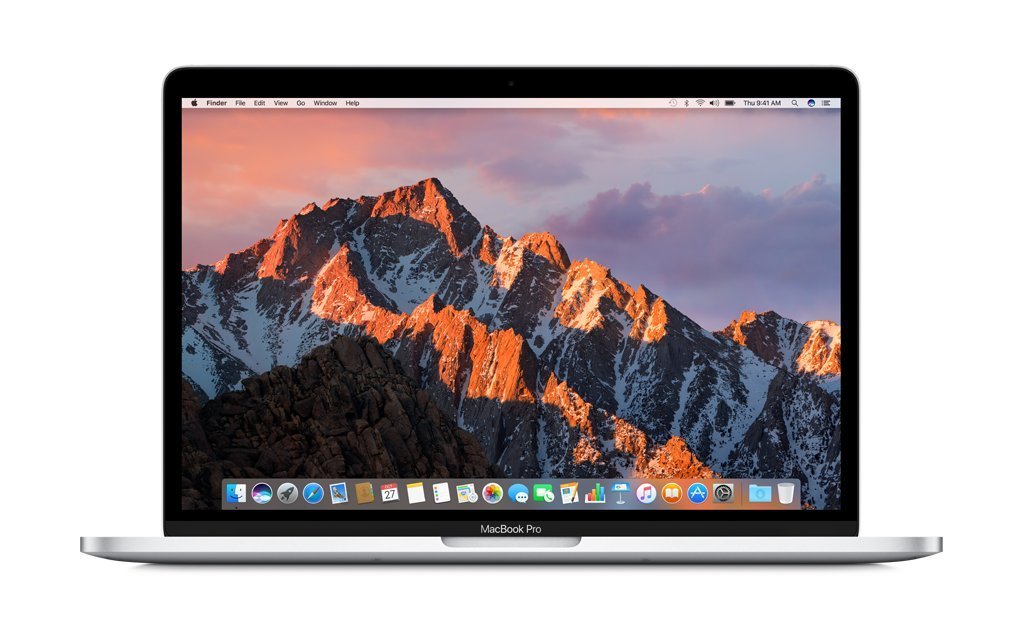
Apple has kept the same Retina display resolution for the newest MacBook Pro, but improved the color gamut to cover the P3 color space instead of just sRGB. They’ve slimmed the 15-inch model down a lot, making it only four pounds, and they’ve embraced the next generation of IO with USB-C and Thunderbolt 3. Unfortunately, they’ve completely abandoned the USB-A ports though, so be prepared grab USB-C versions of any peripherals you may need.
The 15-inch MacBook launched with Skylake quad-core CPUs, and feature an AMD Polaris GPU that can drive up to six displays, or, two of the new 5K displays that were announced as well, in addition to the laptop panel. Combined with the low profile and weight, and the latest generation MacBook Pro packs a lot of performance into relatively little space.
Apple has moved to the butterfly switch keyboard on this model as well, and they’ve added a touch bar instead of the function keys. Not everyone has loved the latest MacBook Pros, but if you’re after a new macOS device, these are the best offerings right now.

Best Android Phones Q1 2018

Flowers are blooming and temperatures are rising, which means it’s time for our Q1 2017 Best Android Smartphones guide. There’s been a flurry of phone announcements over the first few months of the year. HTC launched its new U series phones, including the flagship HTC U Ultra, which has a 5.7-inch IPS display with a secondary 2.0-inch ticker display along the top, and the smaller, less-expensive 5.2-inch HTC U Play that comes with a MediaTek Helio P10 SoC. We also saw several new phones announced at MWC 2017, including Huawei’s P10, which shares much of its internal hardware with the larger Huawei Mate 9, and LG’s redesigned G6, which seems to correct some of the G5’s shortcomings while adopting a new, elongated 18:9 aspect ratio for its display that provides some extra screen area without making it more difficult to hold by increasing the phone’s width. Samsung took a similar approach with the recently announced Galaxy S8 and S8+ that also come with taller, 18.5:9 displays with rounded corners.
There were a number of mid-range and low-end phones announced too. At CES 2017, Huawei announced the $250 Honor 6X, which comes with a 5.5-inch IPS display and has a much better look and feel than the Honor 5X. Motorola unveiled the similarly priced Moto G5 Plus at MWC, and ZTE announced a trio of phones in its Blade V8 series: Blade V8 Pro ($250, 5.5-inch, Snapdragon 625), Blade V8 Mini (5.0-inch, Snapdragon 435), and Blade V8 Lite (5.0-inch, MediaTek MT6750).
Not all of these phones are shipping yet, though. And with our current resource shortage, we were not able to look closely enough at those that are available for them to be considered in this Q1 guide (we only include phones that we’ve reviewed). With that disclaimer out of the way, here are the Android phones we currently like.

Best Android Phablet: Huawei Mate 9

There’s a lot of options to choose from when shopping for a phablet considering the disproportionate number of Android phones having a screen size of 5.5-inches or larger. A number of these fall into the mid-range category, which we cover below. For people living outside of North America there are even more, usually less-expensive, options to consider too. But for this pick, we’re sticking with globally-available flagships.
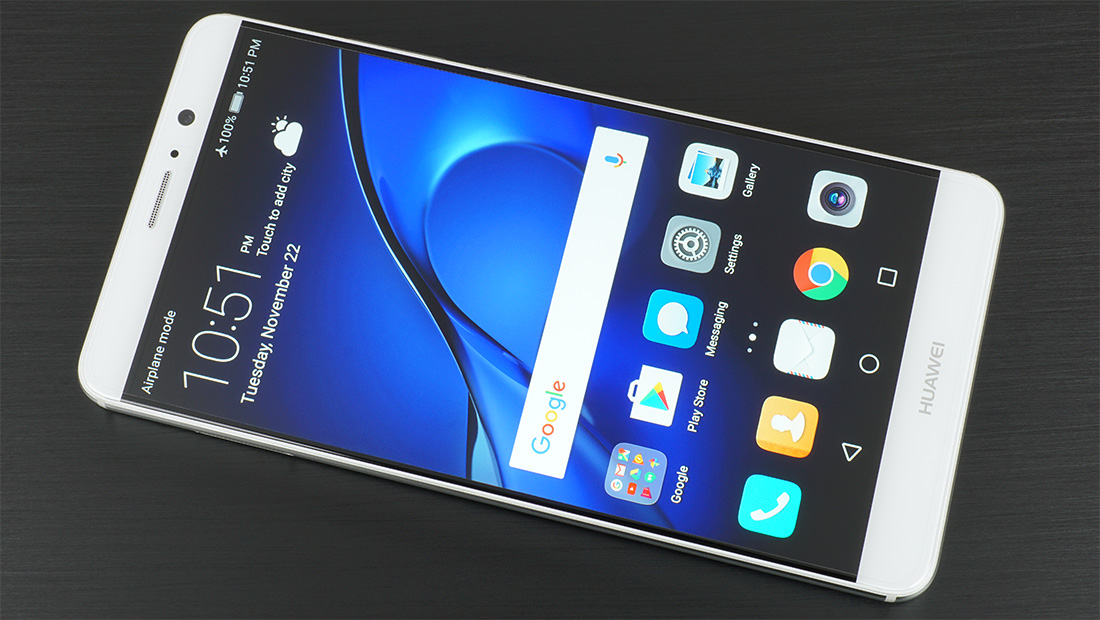
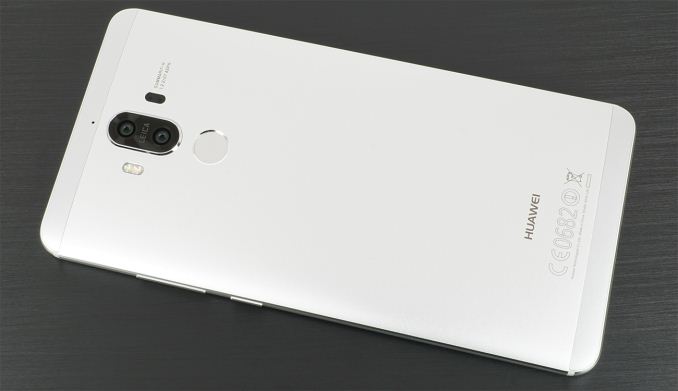
With its 5.9-inch IPS display, Huawei’s Mate 9 is a true phablet. Its sturdy aluminum chassis with polished accents give it a solid feel and a classy look, and its good balance and rounded corners make it less unwieldy to hold than you would expect. Its $600 US price is not cheap, but it’s still less than many other competing flagships.
Inside is a Kirin 960 SoC, 4GB LPDDR4 RAM, and 64GB of UFS 2.1 storage that’s expandable via microSD card. Combining this hardware with the F2FS filesystem and other software optimizations gives the Mate 9 excellent in-app performance. Apps launch and install quickly too, and the UI feels responsive.
The Mate 9 also gets excellent battery life as long as you do not lean on the GPU or big CPU cores too hard. The Kirin 960’s power efficiency is not as good as the Kirin 950’s in the Mate 8, but Huawei was able to save power elsewhere (display), ultimately helping the Mate 9 and its 4000 mAh battery outlast the previous generation.
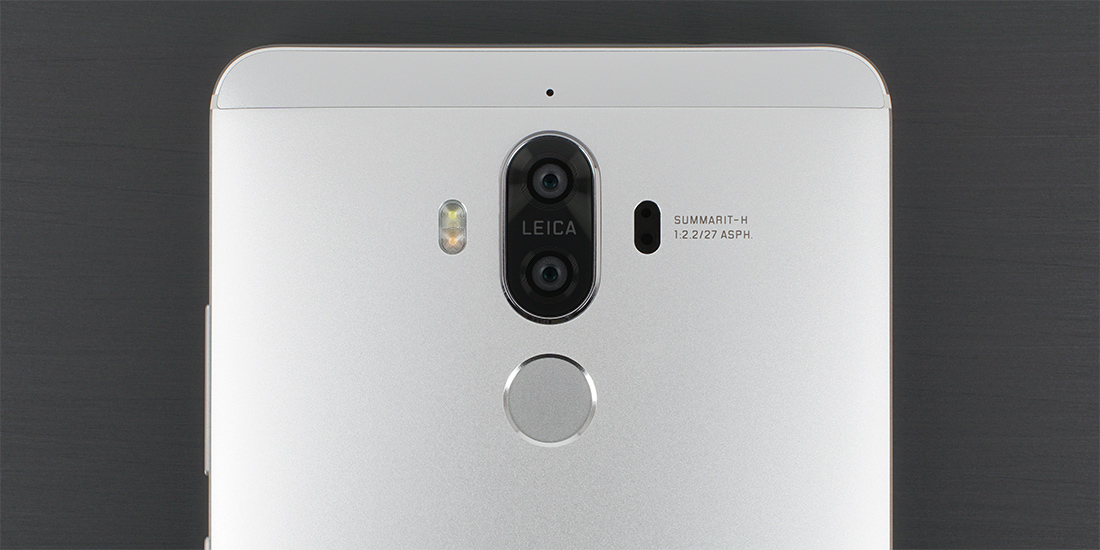
The dual rear camera that Huawei co-developed with Leica captures excellent, natural looking images, with consistently good exposure, gamma, and white balance. Its HDR mode is pretty weak, however, and its images do not show as much fine detail as those from Google’s Pixel XL and Samsung’s Galaxy S7 edge.
I was also extremely impressed with the Mate 9’s fingerprint sensor, which is by far the fastest and most accurate I’ve used. Its single, downward-firing speaker gets plenty loud, with the earpiece providing high frequency support for a pseudo-stereo effect. Huawei’s redesigned EMUI 5.0 software looks cleaner and is easier to navigate too, with a look that draws less inspiration from Apple’s iOS (there’s even an optional app drawer now).
The one area where the Mate 9 falls short of its peers is display quality. It gets very bright and has excellent black levels for an IPS panel, but an overly cool white point, imperfect gamma, and lack of a proper sRGB mode conspire to reduce grayscale and color accuracy. Viewing angles are not up to flagship standards either.

Best High-End Android Smartphones: Samsung Galaxy S7 edge and HTC 10

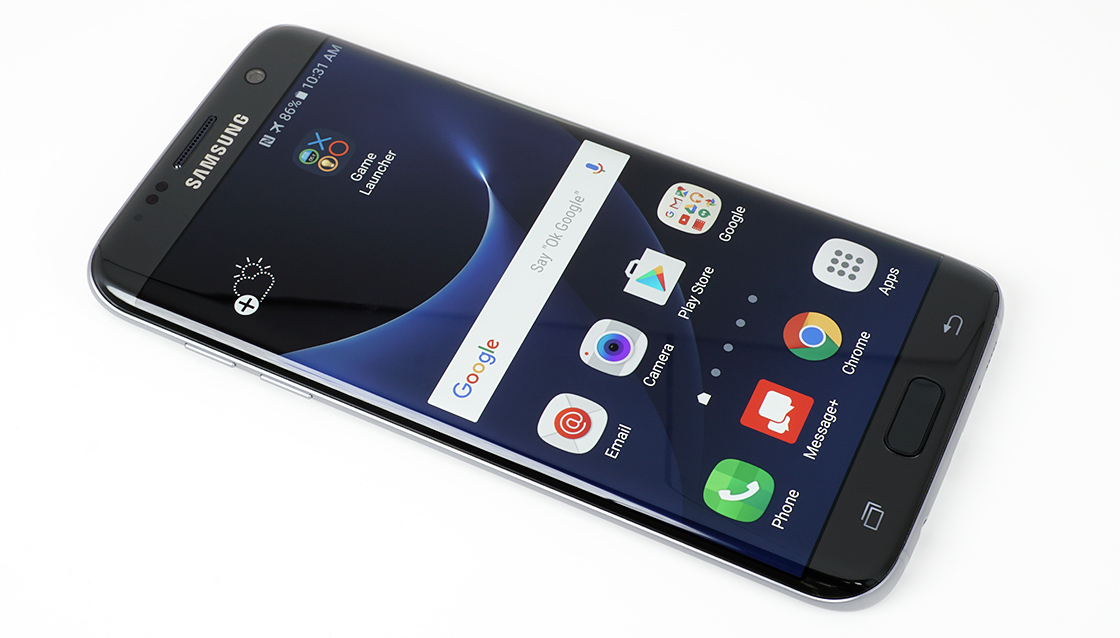
The Galaxy S7 edge improves upon the design and features of the popular Galaxy S6 edge. The design is very similar, but Samsung has tweaked the curvature of the back, edges, and cover glass to make the phone significantly more ergonomic. The chassis does get thicker and heavier, but this allows for a significant reduction to the camera hump and an increase in battery capacity.
Buy Galaxy S7 edge (Unlocked) on Amazon.com
Its 5.5-inch 2560x1440 SAMOLED display is among the best available. The 12MP rear camera with OIS and an f/1.7 aperture captures great pictures, especially in low-light, and the dual pixel PDAF is extremely fast. Battery life is pretty good thanks to a 3600mAh battery. The rest of its hardware and features are shared with the smaller Galaxy S7, including IP68 dust and water protection, fast charging, and wireless charging.
Depending on where you live you'll either get Qualcomm's Snapdragon 820 or Samsung's Exynos 8890 SoC, both of which use custom ARM CPU cores, along with 4GB of LPDDR4 RAM and either 32GB or 64GB of UFS 2.0 NAND with support for microSD cards. Performance is generally good, but the UI can stutter or stall occasionally.
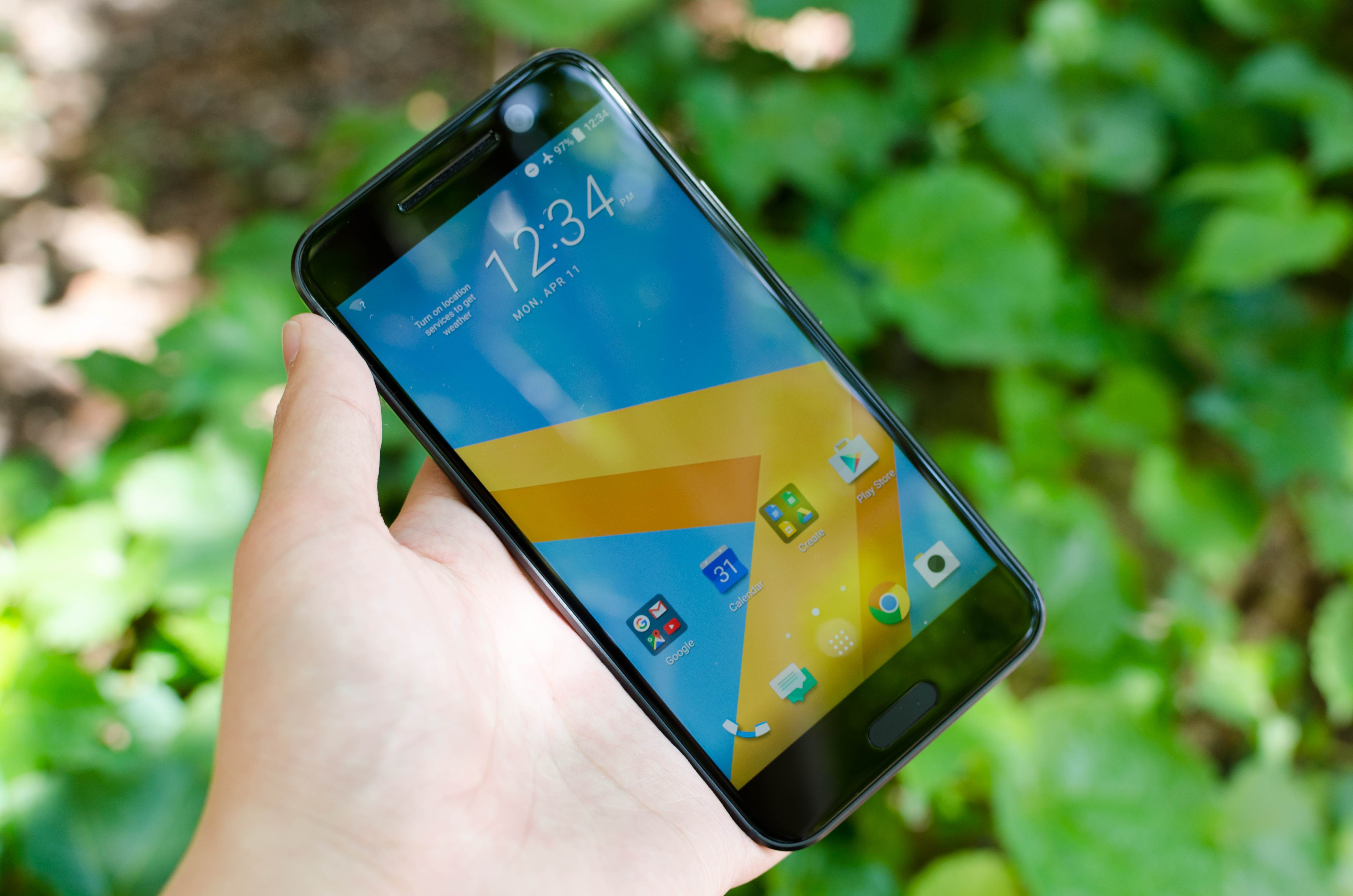
The other phone worth discussing at the high end is the HTC 10, which manages to best the Galaxy S7 edge in at least a few areas. In terms of audio quality, design, OEM UI, and other areas like perceptual latency I would argue that HTC is just clearly ahead of Samsung. HTC also has proper USB 3.1 and USB-C support, which does make the device more future-proof than the Galaxy S7 edge’s microUSB connector in that regard. The front-facing camera is also just clearly better on the basis of having OIS and optics that can actually focus on a subject instead of being set to infinity at all times.
Buy HTC 10 (32GB) on Amazon.com
However, Samsung is clearly ahead in display and its camera is clearly the fastest I’ve ever seen in any phone, bar none. Samsung is also just clearly shipping better Wi-Fi implementations right now in terms of antenna sensitivity and software implementation, along with IP68 water resistance and magstripe payments for the US and South Korea.
To further muddy the waters, there are areas where HTC and Samsung trade blows. While Samsung’s camera is clearly faster, HTC often has better detail in their images, especially at the center of the frame, but the Galaxy S7 edge has better detail at the edge of the frame. Noise reduction tends to be a bit less heavy-handed and sharpening artifacts are not nearly as strong as they are on the S7 edge. HTC’s larger sensor also means that it’s possible to get actual dSLR-like bokeh with macro shots.
Overall, I think it’s pretty fair to say that the HTC 10 is a solid choice. If I had to pick between the two I would probably lean towards the HTC 10, but this is based upon personal priorities. I don’t think you can really go wrong between the two. The HTC 10 with 32GB of internal storage is currently $699 USD when bought unlocked through HTC and comes in Carbon Gray and Glacial Silver.

Best (Upper) Mid-Range Android Smartphone: OnePlus 3T

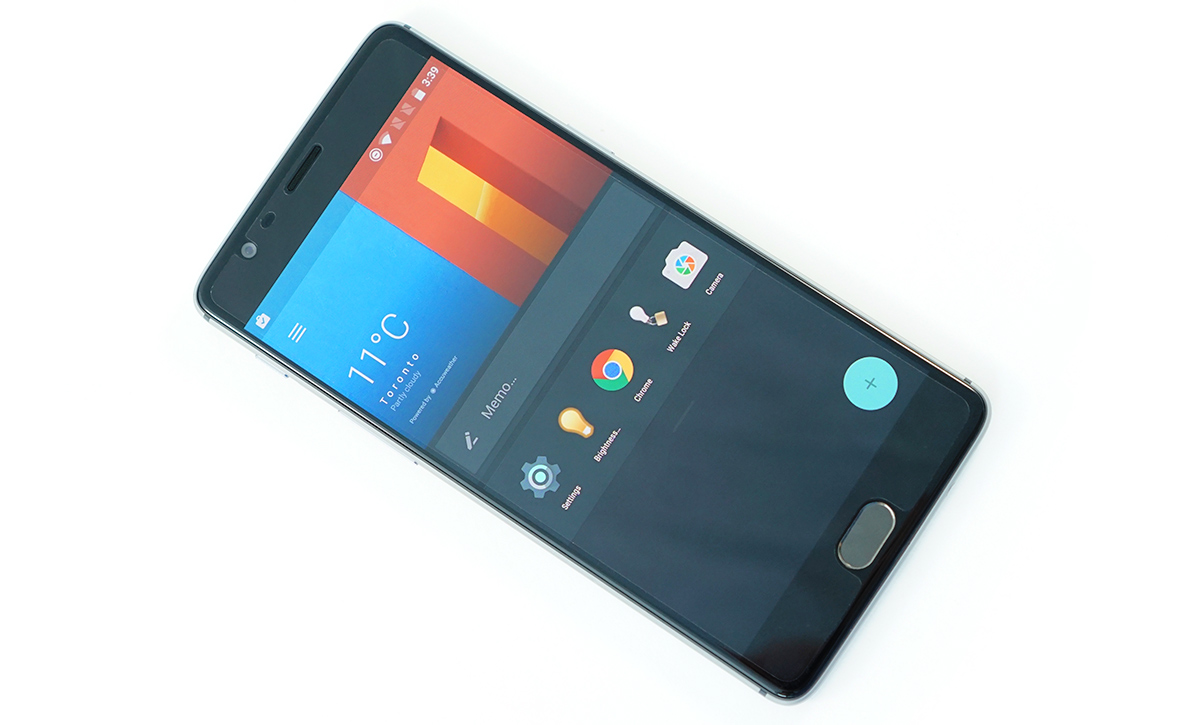
The OnePlus 3T is a mid-cycle update to the OnePlus 3 that launched last summer. The two phones are the same size and weight, have the same excellent build quality, use the same 5.5-inch 1080p AMOLED display, come with 6GB LPDDR4 RAM, and offer the same connectivity options, including 802.11ac Wi-Fi, BT 4.2, and NFC. They also share the same 16MP Sony IMX298 rear camera with PDAF and OIS, which is capable of taking decent photos.
For the 3T, OnePlus replaces the Qualcomm Snapdragon 820 SoC with the updated Snapdragon 821, although the actual performance gain is negligible. The switch to the F2FS filesystem significantly improves storage performance, and OnePlus adds an additional storage tier, providing a choice between 64GB or 128GB, which is good because the 3T does not support microSD cards. The other notable improvement is a 13% increase in battery size from 3000 mAh to 3400 mAh. The 64GB model costs $439, while the 128GB model costs $479.
The Motorola Moto Z Play Droid costs $408 (the unlocked version costs $450) and includes a nice display, a good camera, and a large, long-lasting battery—not to mention support for Moto Mods such as the Hasselblad True Zoom Mod—but its eight Cortex-A53 CPU cores and Adreno 506 GPU cannot offer the same level of performance as the OnePlus 3T’s Snapdragon 821 SoC. The Moto Z Play Droid also comes with less RAM (3GB), less internal storage (32GB), and lacks 802.11ac Wi-Fi. Its little brother, the Moto G4 Plus costs less than the OnePlus 3T—$299 for 4GB of RAM and 64GB of internal NAND—but again falls short of the OnePlus 3T’s overall user experience.
Huawei’s Honor 8 is another contender that costs about same as the OnePlus 3T ($400) and is available in the US and internationally. It also has a smaller 5.2-inch display, giving it a smaller footprint than the OnePlus 3T, although its heavily blue-tinted screen may turn some people off. General system performance is on par with the 3T, but its Mali-T880MP4 GPU cannot match the Adreno 530’s peak performance.

Best Budget Android Smartphone: Xiaomi Redmi Note 3 Pro

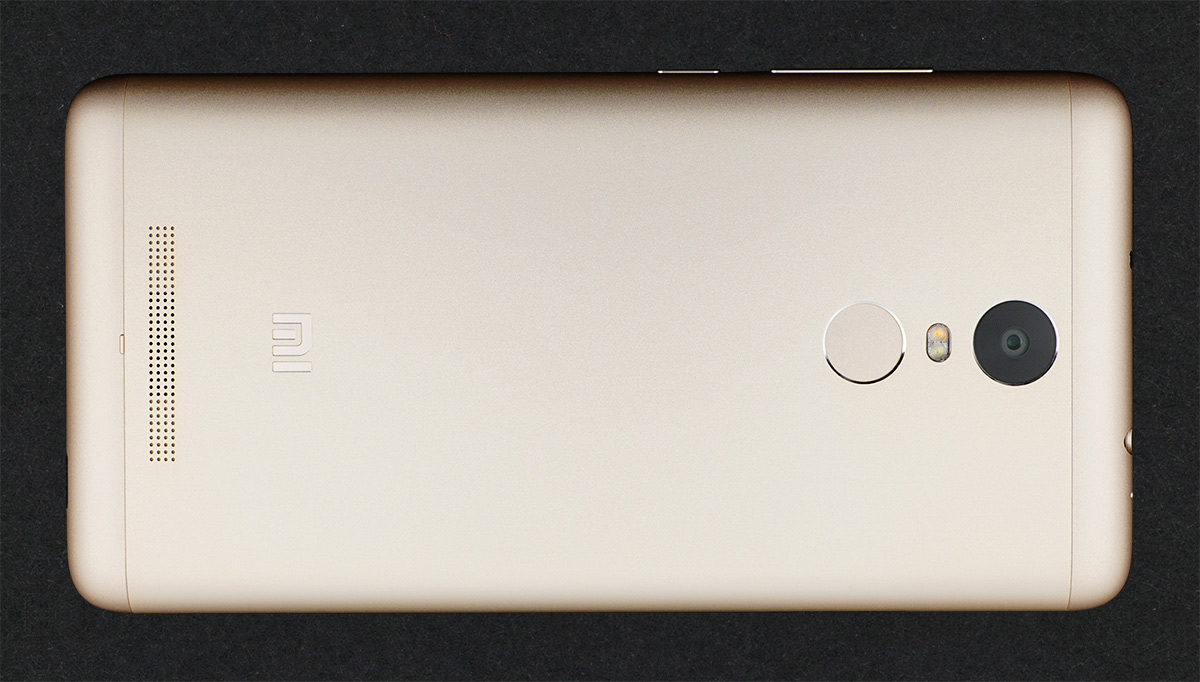
While the rest of the planet is awash with lower-cost phones containing decent hardware, it’s difficult to recommend a budget smartphone for the US market. Take the Xiaomi Redmi Note 3 Pro, for example. Its Snapdragon 650 SoC contains two high-performance Cortex-A72 CPU cores running at up to 1.8GHz and four Cortex-A53 cores at up to 1.4GHz, which easily outperforms the standard octa-core A53 SoCs common at this price point. Its performance is really quite remarkable, rivaling some upper mid-range and flagship devices. The Adreno 510 GPU supports the latest graphics APIs, including support for tessellation, and is fast enough to play most games currently available. Battery life is excellent too, thanks in part to a large 4050 mAh battery. There’s even an infrared blaster and support for 802.11ac Wi-Fi and FM radio.
Of course some sacrifices need to be made to reach such a low price. The Redmi Note 3 Pro’s weakest component is its 5.5-inch 1080p IPS display, whose poor black level and inaccurate white point and gamma calibration hurt image quality. The panel’s backlight does not fully cover the sRGB gamut, which further reduces color accuracy. While not perfect, it clearly moves the bar higher in this segment and raises our expectations for future lower-cost phones.
Unfortunately, the Redmi Note 3 Pro, like most phones made by Chinese OEMs, is not sold in the US and does not support the LTE frequencies used by US carriers. Because we have not been able to keep up with this category like we should, we have no budget recommendation for US consumers right now.

HTC Announces Standalone Vive Focus with 6DoF Tracking, Cancels Daydream VR Headsets

HTC on Tuesday formally introduced its new standalone Vive Focus VR headset at the Vive Developers Conference (VDC) in Beijing. The VR HMD is based on Qualcomm’s Snapdragon 835 SoC and is compatible with content developed using the Vive Wave VR SDK and distributed through the VivePort VR store. The company also disclosed names of the partners, who also plan to use the Vive Wave and the VivePort going forward. The Vive Focus VR will be available only in China. In addition, the company cancelled plans to bring the Google Daydream-compatible headset to European and North American markets.
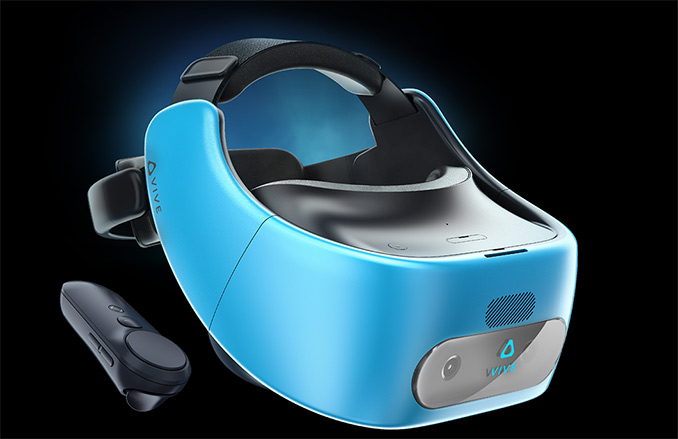
The HTC Vive Focus is a completely standalone Snapdragon 835-powered device that features “a high resolution low-latency AMOLED screen” as well as inside-out 6-degree-of-freedom tracking (6DoF) that does not require any external sensors for positional tracking. In other words, the Vive Focus can be used everywhere without any PC or base stations. The new headset will come equipped with a relatively simplistic Bluetooth 3DoF controller akin to those supplied with the Samsung Gear VR headset. The Vive Focus has a completely different design when compared to the PC-based HTC Vive with new adjustable straps and integrated headphones. Meanwhile, there is also a 3.5-mm audio jack for third-party headphones.
HTC first talked about its Snapdragon 835-based VR headset for China in late July. The company still has not released all of the details about the device, probably because it is still polishing off the specs and determining things like launch price. In fact, HTC handed pre-production Vive Focus units to select developers only two weeks ago, so the product is clearly not hitting the market tomorrow.
Speaking of developers, there are two important announcements that HTC made at the Vive Developers Conference. Firstly, the company has inked deals with 12 hardware partners in China (including 360QIKU, Baofengmojing, Coocaa, EmdoorVR, Idealens, iQIYI, Juhaokan, Nubia, Pico, Pimax, Quanta and Thundercomm), who will support the Vive Wave SDK and integrate the VivePort VR store into their future products. Secondly, there are 35 Chinese and other content developerswho plan to support the Vive Wave. For example, Unity Technologies plans to integrate VivePort support into its platform and enable “a more intuitive way for developers” to use the Vive Wave VR SDK in its tools.
While HTC will release the Vive Focus in China, the company and Google have cancelled plans to bring the Daydream-based VR headset announced earlier this year to Europe and the U.S. No reasons were disclosed, but perhaps HTC does not want to create any internal competition between different platforms before the VR technology in general gets mature.
This marks an interesting shift in strategy for one of the leaders of the nascent VR HMD market; the company is now going it alone rather than working with partners like Google, as was previously the plan. HTC's sale of a chunk of their smartphone assets to Google has nudged the company towards being more VR focused – a field where they've had more a lot more luck as of late – so I suppose it's not too surprising that given recent developments, they'd rather go it alone than having to work with partners. It's more risk for HTC, but also more glory and profits if they succeed.
As for Google's Daydream platform, while this is a step-back for their own standalone Daydream plans, it shouldn't be a major shift. Oculus, Lenovo, and other vendors have also committed to developing Daydream headsets, and those products remain on-track.

North American Pre-Orders Opened for TPCast’s Wireless Adapter for HTC Vive

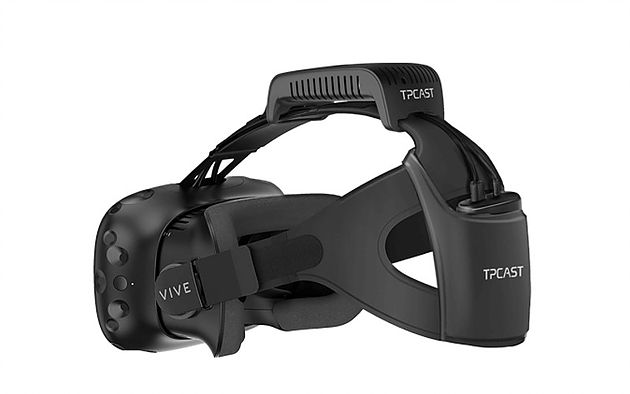
TPCast has finally begun to take North American pre-orders for its wireless headset adapter for the HTC Vive. Already released in China, the unit offers untethered operation of the HTC Vive for five hours as well as minimal latencies. The cost for this wireless motion is $299.99, and the company plans to begin shipments of the device later this month.
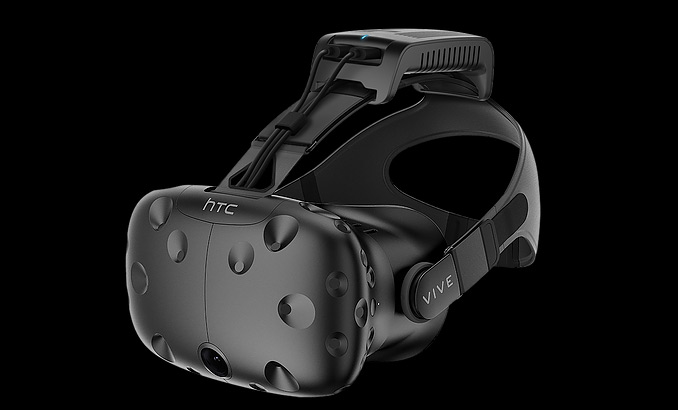
TPCast’s wireless adapter for Vive uses 60 GHz and other radios to connect the VR headset to the PC and thus eliminate cables, one of the major drawbacks of today’s high-end VR gear, and enables a greater freedom of movements for gamers. Common sense for most users put wireless connections as having a higher input lag that wired interconnections which may affect user experience, although TPCast claims to have solved this. It claims that the wireless adapter has an input latency of 2 ms, which is lower than “<7ms latency” featured by HTC’s wireless accessory for Vive created with Intel.
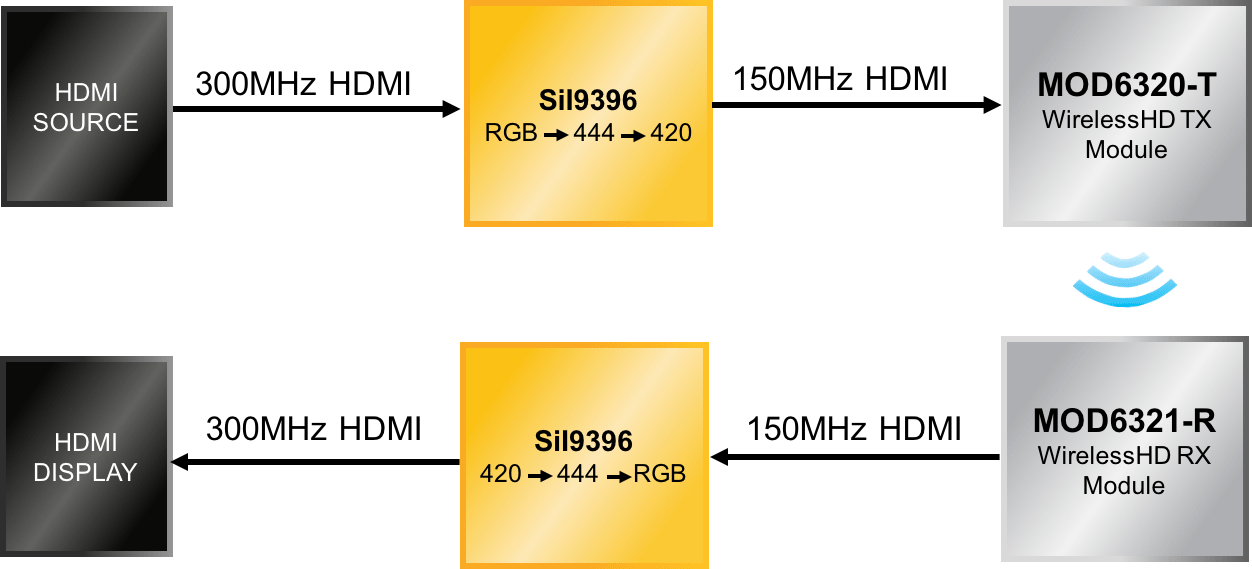
The relatively low latency of TPCast’s wireless adapter for Vive is enabled by Lattices’ MOD6320-T/MOD6321-R WirelessHD modules that are used to transmit VR display content from PC to the headset. Speaking of Lattice, the device also uses Lattice’s SiI9396 600 MHz HDMI bridge ICs and LatticeECP3SERDES-based FPGA, so the company is a key developer of chips for the adapter. Neither TPCast nor Lattice disclose actual transmission rate that is used for the wireless adapter for Vive, but we know that the WirelessHD is speced for 10 – 28 Gbps, well in excess of the 8.2Gbps required for the Vive's hardware HDMI 1.4 connection..
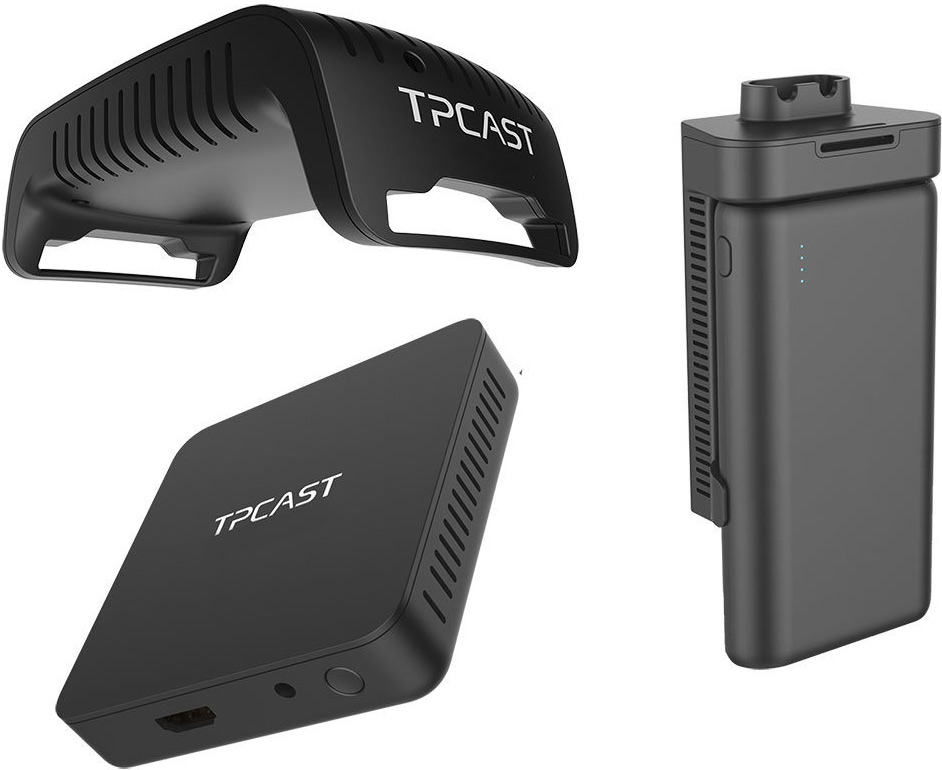
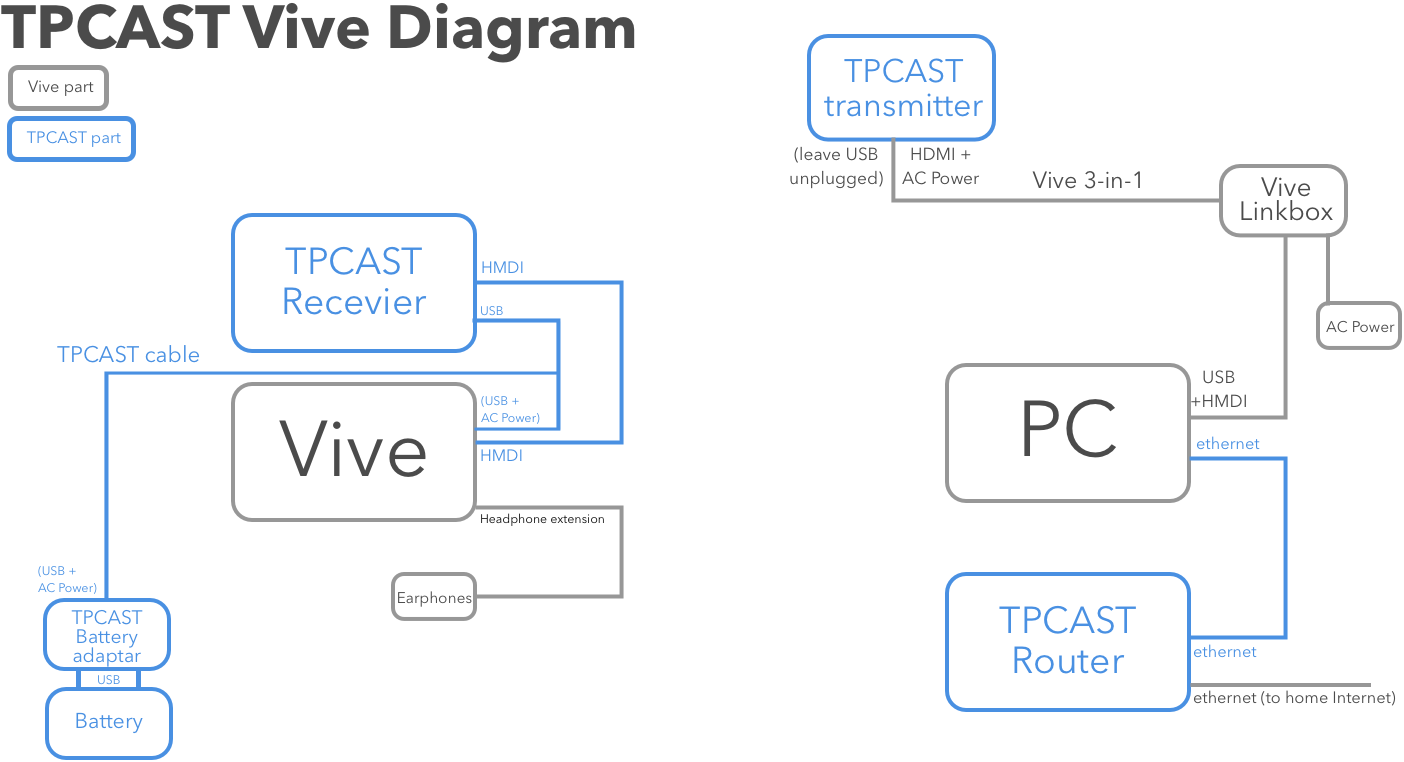
The TPCast Wireless Adapter for Vive kit consists of several pieces: the transmitter module that plugs to the Vive Linkbox (which is connected to the PC), the receiver that connects to the Vive headset, and an Anker PowerCore 20100 mAh (100.5 Wh) accumulator that provides up to five hours of battery life to the head mounted display. (interesting aside: at that capacity, it cannot be taken on-board aircraft.) The unit also comes with a charger, a router and a bunch of cables to make setup easier. It is noteworthy that TPCast requirescustomers to use its own router because it transmits information back from the HMD to the PC.
The TPCAST Wireless Adapter for Vive is now available for pre-order, at a price of $299.99, via Amazon, Newegg, and the company’s own website. TPCast plans to start shipments of the device on November 24 (for some reason, Newegg mentions November 20 as the release date), so expect retail availability of the unit after this date.